
Construction Dumpster Rental
Framing scrap, drywall, demo debris and roofing all move at different rates. EverPoint sizes construction containers to the phase you are in, not to a generic average.
Sizing by construction phase
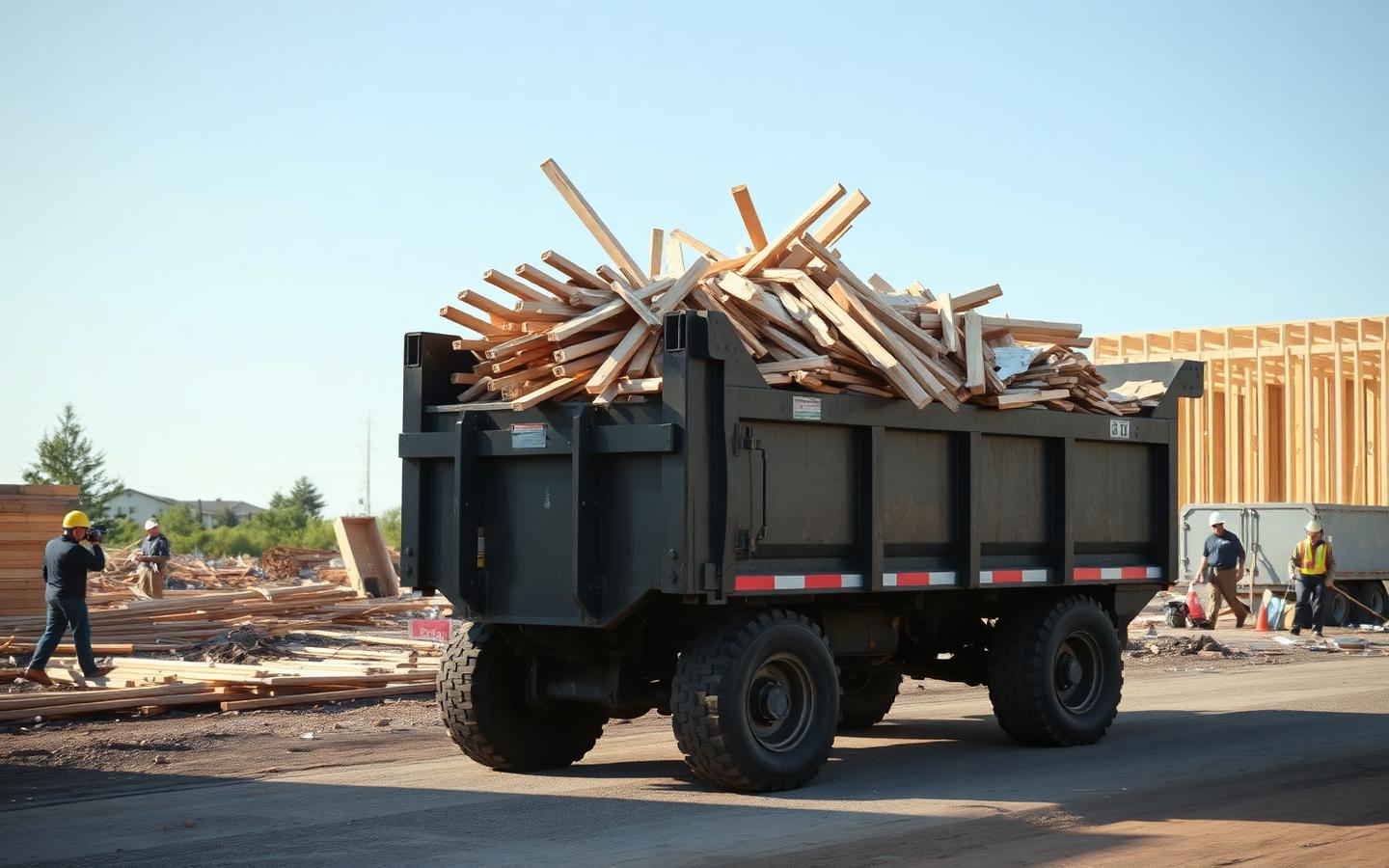
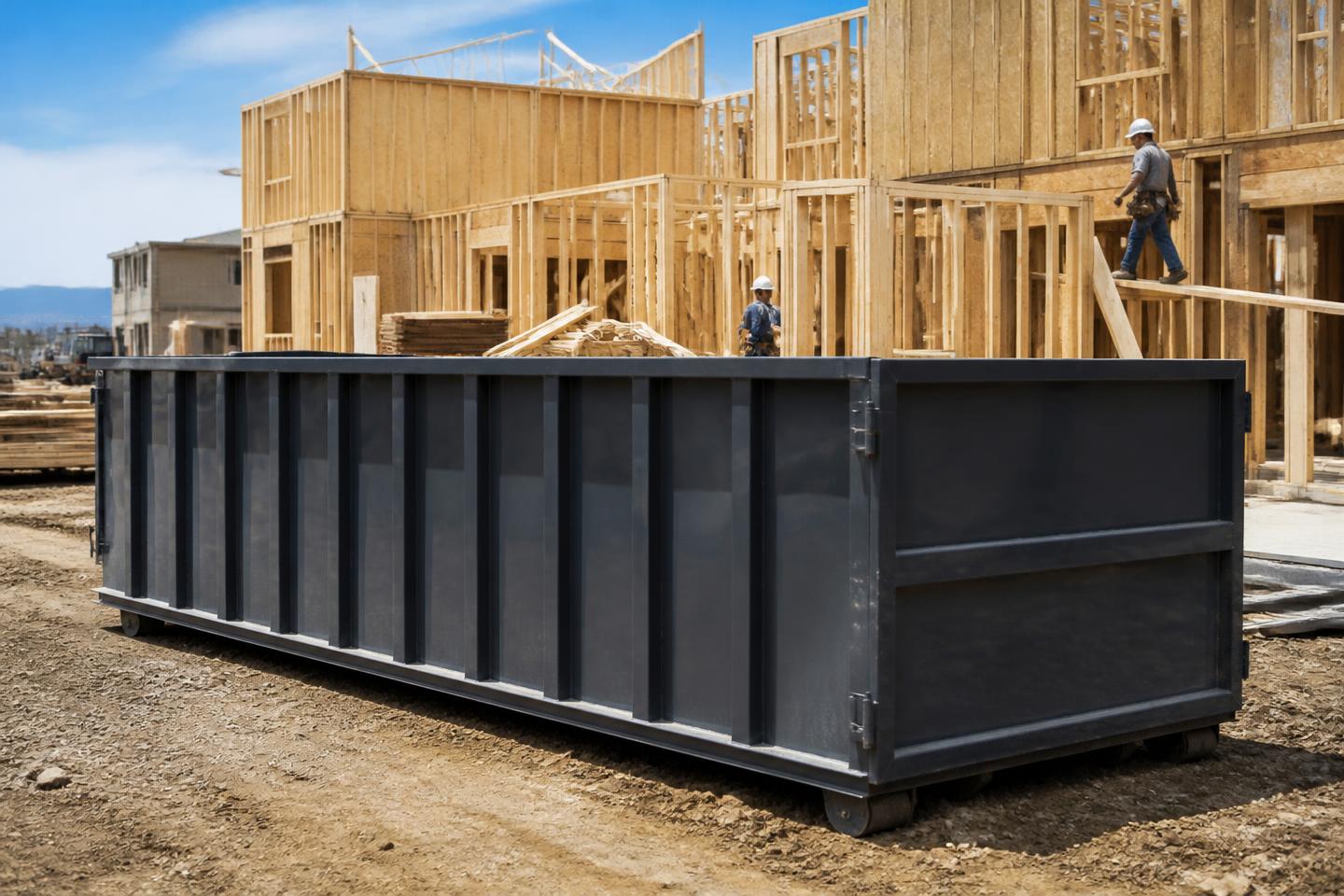
Demolition and roofing produce dense, heavy debris and belong in a 10 or 20 yard container with a heavy allowance. Framing and rough carpentry produce high-volume, low-density scrap that suits a 30 yard. Finish-out and cleanup phases generate mixed lightweight waste, where a 40 yard container reduces swap frequency. Planning the sequence up front costs less than reacting to it.
Heavy material rules
Concrete, brick, block, asphalt, dirt and rock are usually accepted only as clean, source-separated loads in a dedicated 10 yard container, because a full large container of concrete exceeds legal road weight. Mixing clean concrete with wood or drywall turns a low-cost inert load into a full-rate mixed load, so keep them separate.
Swap speed and site access
Call for a swap when the container is roughly three quarters full and level with the top rail. Overloaded containers cannot be tarped and drivers will refuse them, which costs a full day. Keep a clear straight approach with a firm surface; soft graded lots after rain are the single most common cause of failed job site deliveries.
Working with GCs and subs
We can bill the general contractor while taking swap calls from the site superintendent, and we can hold containers under a project name so the paperwork lines up with your job costing. For multi-phase projects, ask for a schedule review before mobilization.
Get a quote for your project
Call 1-800-555-0147 with your ZIP code, debris type and rough volume, or send the details through the quote form. You will get the container size, rental period, included tonnage and total in writing before anything is scheduled.
Frequently asked questions
How many dumpsters does a new home build need?
A typical 2,000 square foot new build runs three to five 30 yard containers across framing, rough-in and finish phases, though local recycling requirements can change that.
Can I mix concrete with general debris?
Only if you are willing to pay mixed-load rates. Clean, separated concrete is far cheaper to dispose of and often recycled.
What if the site is muddy?
Delivery may be postponed for safety. Gravel or plating a firm pad for the container keeps the schedule intact.